Reddit Finds
Reddit Finds: Turn the Feed Into a Shortlist, Not a Hundred Open Tabs
The strongest part of community shopping is discovery. The weakest part is memory.
You see a shoe, save a hoodie, open a bag, screenshot a jersey and keep three marketplace tabs "for later." By the end of the session, the interesting items are mixed with duplicates and you no longer remember why one listing looked better than another.
RedditSpreadsheet treats a Find as the start of a decision, not the end of a scroll.
Use the Feed for Signals
A feed is good at answering
- What styles are appearing repeatedly?
- Which product categories are active right now?
- What item should I investigate next?
- What vocabulary are people using for the product?
A feed is bad at answering
- Which source is currently orderable?
- Which variation is the right one?
- How will the item fit?
- What will the parcel cost?
Do not make a later-stage decision using early-stage information.
The Three-Click Rule
When a Find catches your attention, use three purposeful clicks.
Open the complete W2C record
Confirm that the title, image and category match what attracted you.
Open the source context
Check the current listing, options and price context.
Open the evidence that matters
QC, measurements, customer photos or a relevant guide.
If the item survives all three, it belongs on the shortlist. If it fails the first two, close it without guilt.
Current feed
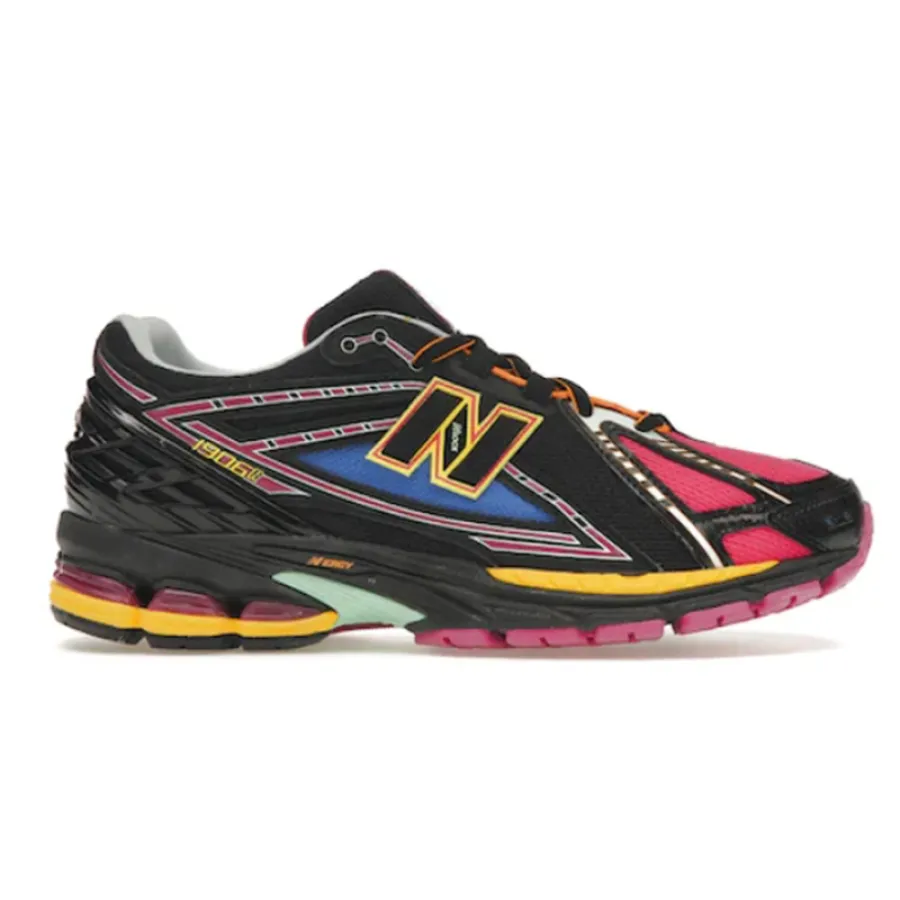
New Balance 1906v2 Running Shoe
$5.53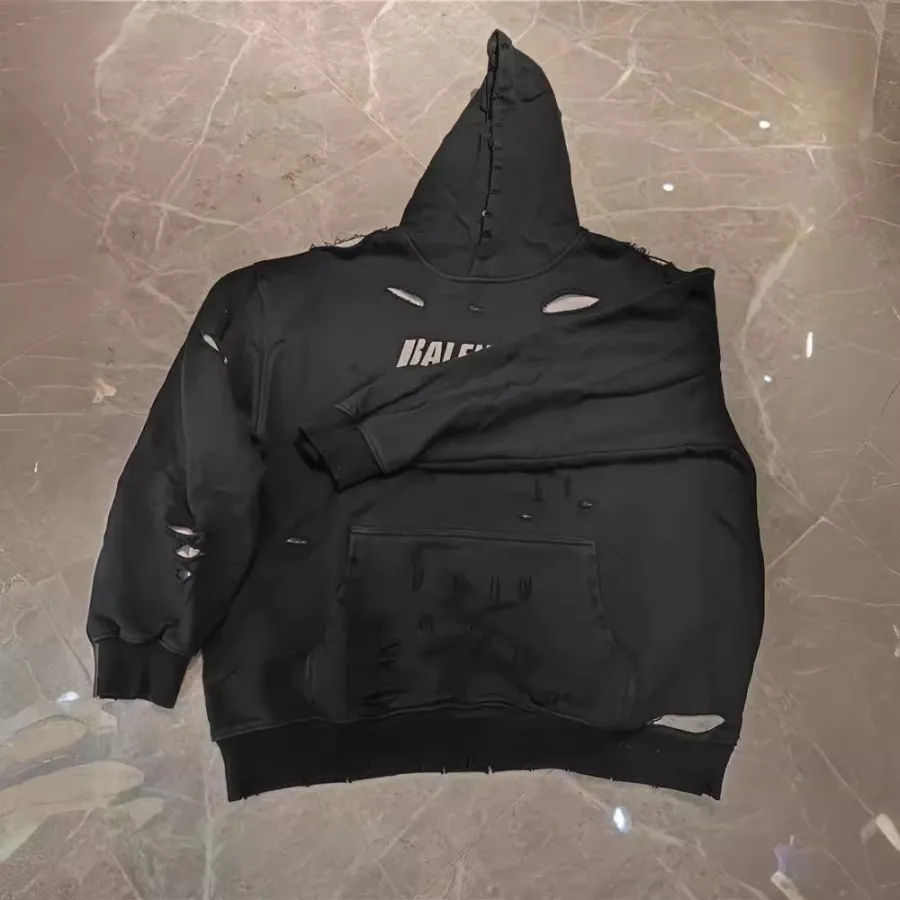
Balenciaga Black Distressed Hoodie
$46.2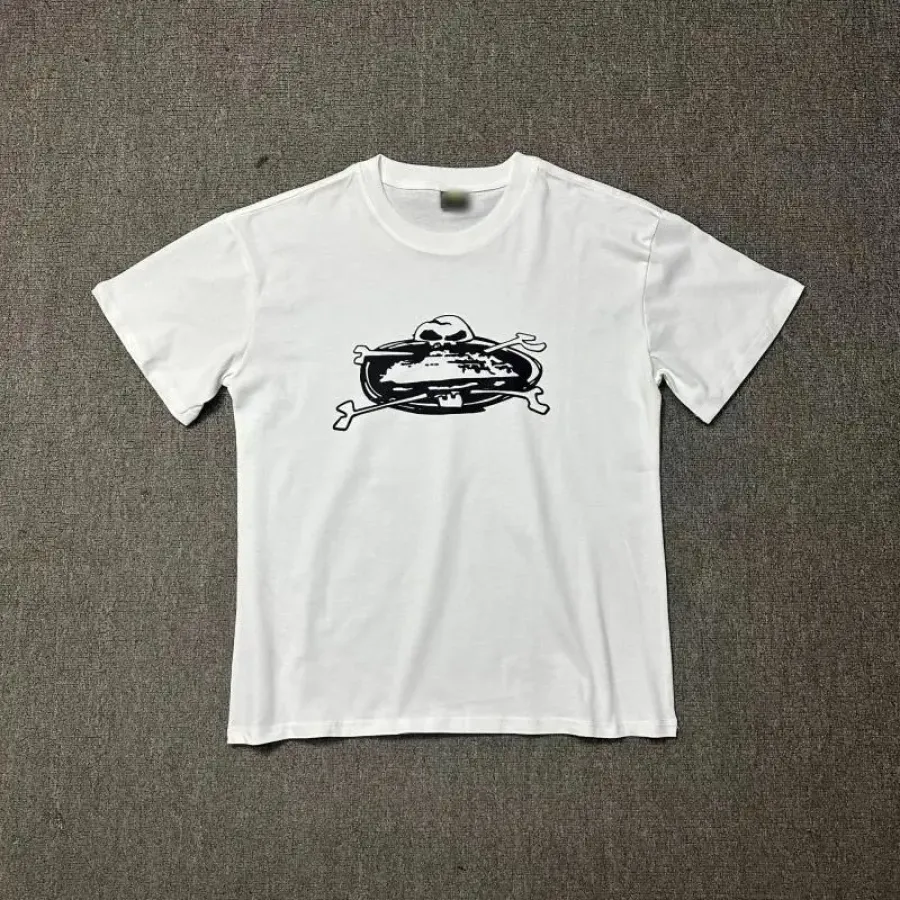
Black Cotton T Shirt with White Graphic Print
$11.4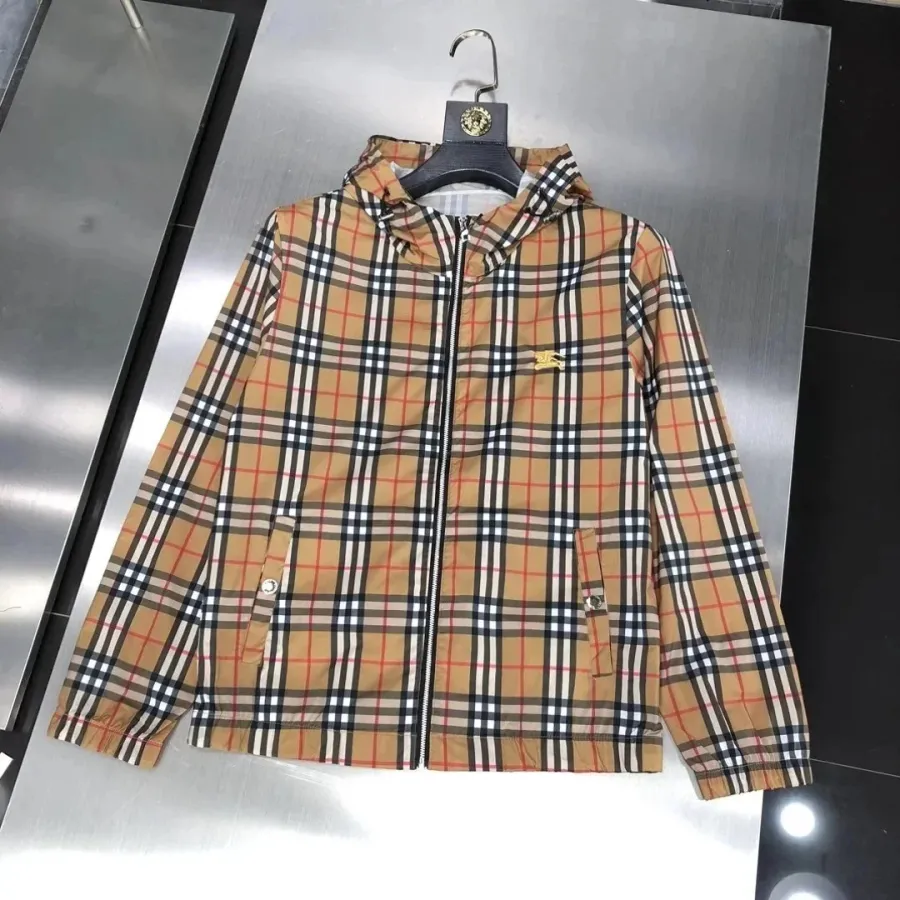
Burberry Check Pattern Hooded Jacket
$26.2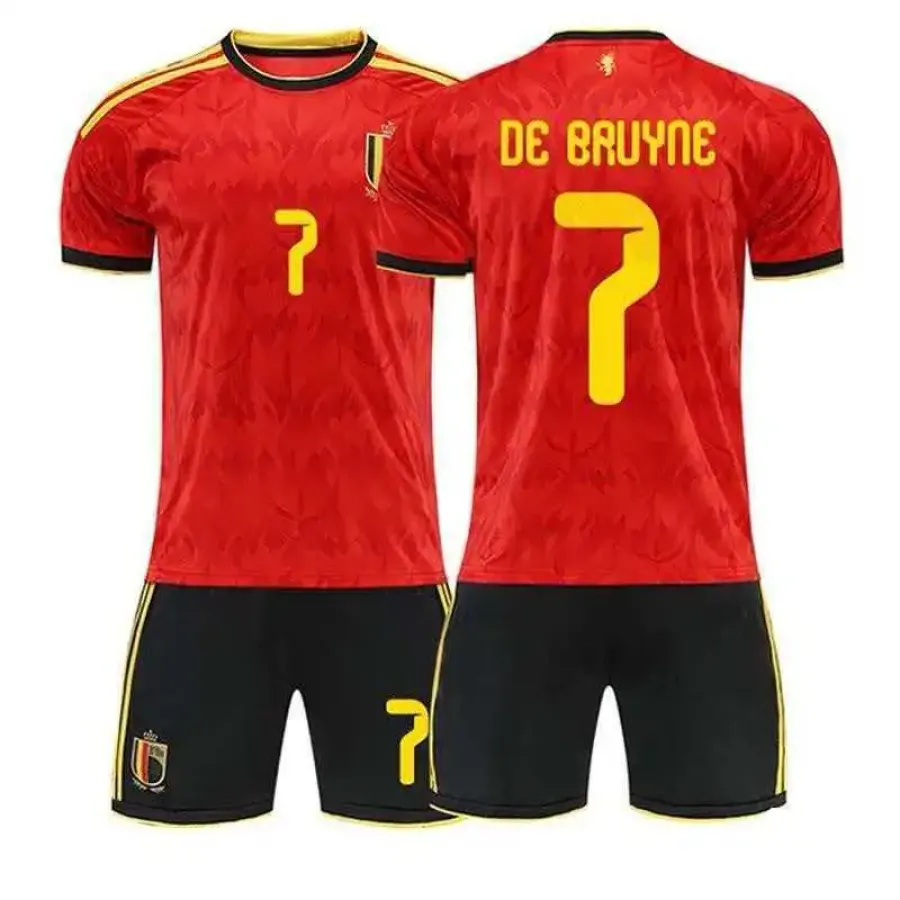
Belgium National Team De Bruyne #7 Home Jersey Set
$7.43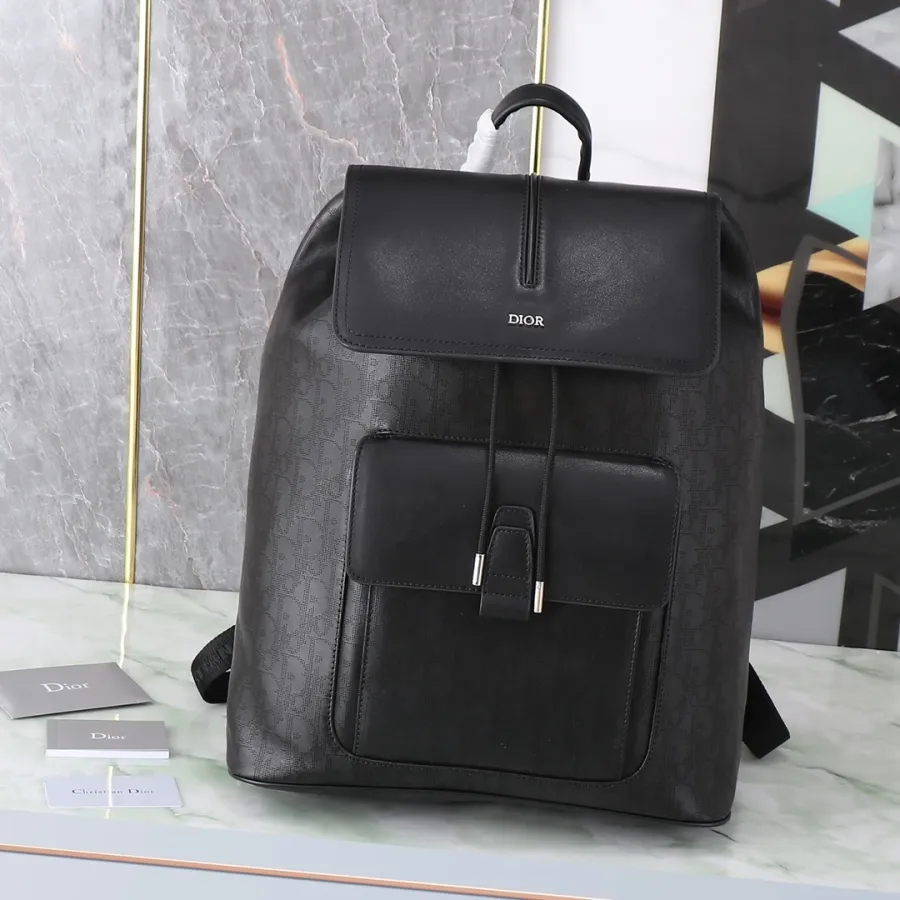
Dior Black Leather Backpack
$138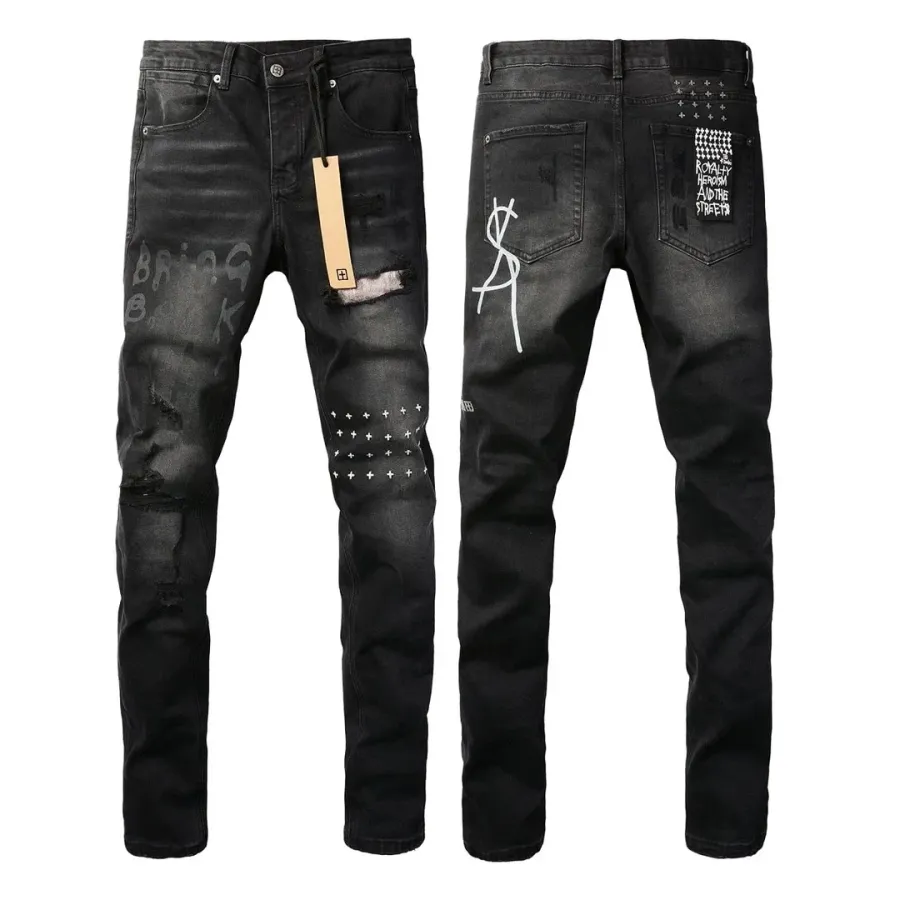
Black Ripped Jeans with Graphic Patches and Brand Tag
$38.6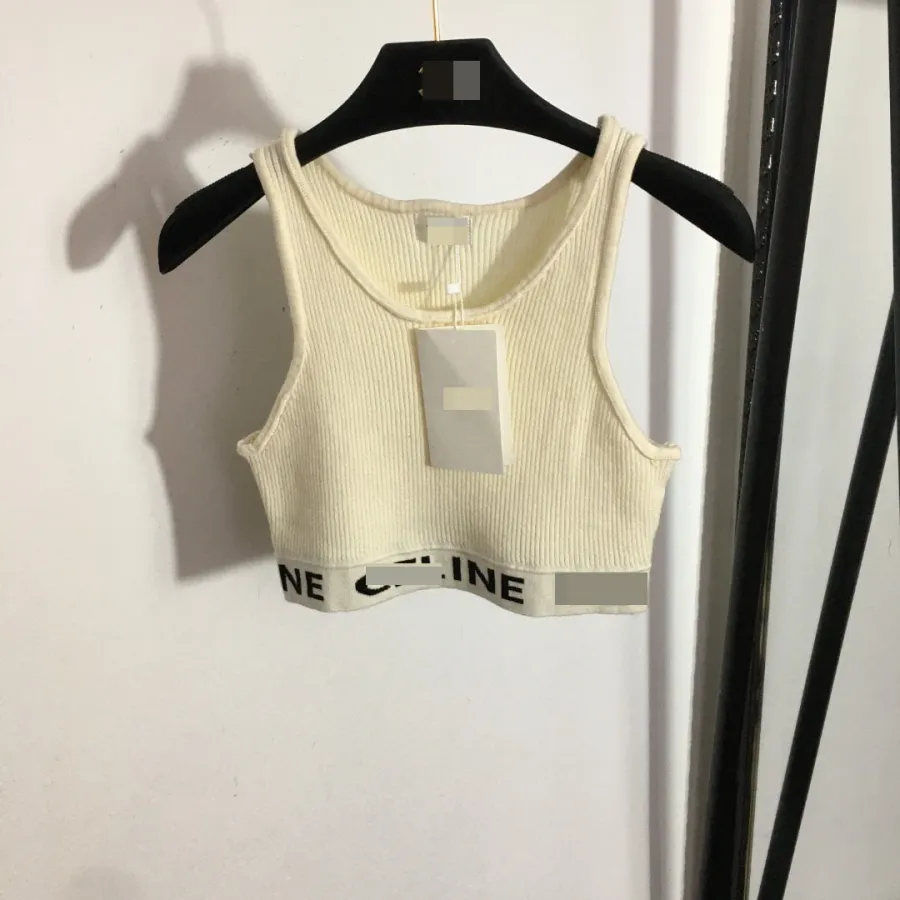
Celine Ribbed Crop Top
$20.7Five-item shortlist board
Burberry Check Pattern Hooded Jacket
Best source clarity
Black Cotton T Shirt with White Graphic Print
Best measurement evidence
New Balance 1906v2 Running Shoe
Best QC reference
Black Ripped Jeans with Graphic Patches and Brand Tag
Best price for the intended variation
Balenciaga Black Distressed Hoodie
Best alternative if another link disappearsBrowse by Use Case, Not Only Brand
Brand-first browsing is fast but narrow. Use-case browsing often produces better discovery.
Daily shoes
Prioritize color versatility, shape, sizing information and evidence availability.
One good outer layer
Compare silhouette, actual garment measurements, insulation/bulk and parcel impact.
Travel bag
Start with dimensions and carrying format before visual details.
Match-day jersey
Confirm team, season, player/fan version, sleeve details and size information.
Small parcel add-on
Compact accessories may be easy to consolidate, but still check exact quantity and variation.
This keeps the Finds page useful even when a user does not know an exact product name.
Trend Is a Discovery Signal, Not a Quality Score
When current view or popularity data is available, treat it only as a discovery signal that can help surface products worth investigating. It does not prove product quality, seller reliability or purchase suitability.
Do not convert it into claims such as:
- "community approved";
- "best batch";
- "most trusted";
- "everyone is buying this."
Popularity tells you that people are looking. It does not tell you what they found after buying.
Separate New Finds From Well-Documented Finds
A new listing can be valuable because it expands the catalog.
A well-documented listing can be valuable because it has more QC or customer-photo evidence.
These are different strengths. Use distinct tags when real data supports them:
Do not collapse all of those signals into one "recommended" badge.
What a Find Card Can Actually Tell You
What a Find Card Can Tell You
A find card can identify the product, category, current listed price and the route to its full W2C record.
- a real product image;
- a readable product title;
- category;
- current USD reference price only when available;
- factual data label when supported;
- direct route to the full W2C product page.
What Still Needs Verification
Fit, condition, source accuracy, QC evidence and shipping impact still need to be checked at the appropriate stage.
- final delivered cost;
- fit;
- current warehouse stock;
- product durability;
- seller reliability;
- authenticity;
- future availability.
A compact card becomes more trustworthy when it does less pretending.
A Screenshot Can Become a Search Query
Sometimes the Find is not a link at all. It is a screenshot.
Before image-searching randomly, extract visible clues:
- silhouette;
- material or texture;
- color combination;
- logo/graphic wording;
- model details;
- distinctive hardware;
- product category;
- any visible seller caption.
Those clues can become a text search even when reverse-image results are noisy.
Use the full method →Build a Five-Item Shortlist
For most shopping decisions, five candidates are enough. Give every candidate a reason for being there.
If two entries have no different reason for surviving, one is probably redundant.
The dedicated shortlist workflow →Categories Are Starting Points, Not Silos
Use Shoes, Hoodies, T-Shirts, Jackets, Pants/Shorts, Jerseys, Bags/Belts, Electronics, Watches, Perfume, Glasses and other live W2C categories as fast entry points.
But allow cross-category collections when they solve a real use case, such as:
- lightweight travel setup;
- fall layers;
- small parcel add-ons;
- everyday black essentials;
- match-day outfit.
Those collections should be assembled from real current products, not hard-coded forever.
The Stop Rule
Discovery becomes less useful when every new item simply creates another tab.
Stop browsing when you have enough candidates to compare, at least one source you understand, and enough evidence to identify what still needs checking. Then move from the feed to the shortlist.
Build a W2C Shortlist →