Guide · Five-Card Decision Board
Build a W2C Shortlist: Give Every Candidate a Reason to Survive
A shortlist is not a folder full of products you liked.
It is a small set of candidates that survived different tests. The goal is to reduce browsing noise without pretending there is one universal "best" product.
Start With the Decision, Not the Products
Write one sentence describing what you need. Examples:
- "Black daily sneaker that works with jeans and has usable size evidence."
- "Light jacket for mild weather that packs smaller than a puffer."
- "Crossbody bag that fits an 11-inch tablet."
- "Football jersey where the exact team/version is clearly identified."
A decision statement stops attractive but irrelevant finds from taking over the list.
Limit the First Board to Five Candidates
Five forces comparison. Twenty encourages procrastination.
Each candidate must earn a different reason to remain:
- clearest source;
- best measurement evidence;
- strongest QC reference;
- best intended-variation price;
- useful alternative if another source disappears.
If two candidates are identical in purpose and evidence, remove the weaker one.
The Shortlist Board
Use these columns: Product (human-readable identity), Intended variation (prevents comparing wrong prices/options), Source clarity (can the current seller/listing be understood?), Evidence (QC, measurements, in-hand photos or none), Price context (exact intended option, not lowest teaser amount), Parcel impact (compact, heavy, bulky, rigid or restricted), Open question (the one missing fact that could change the decision).
Decision: "Everyday piece with reliable evidence and manageable parcel impact." Five candidates, five different reasons to survive.
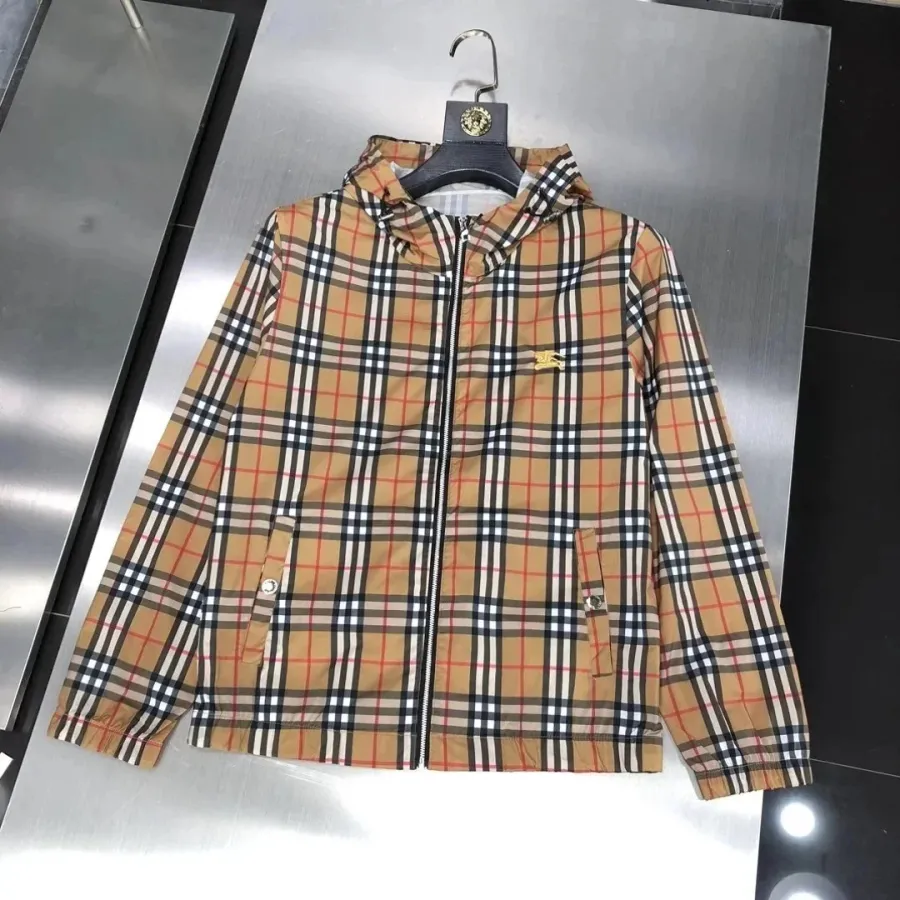
Burberry Check Pattern Hooded Jacket
Best source clarity
Open question: Need close-up of hardware.
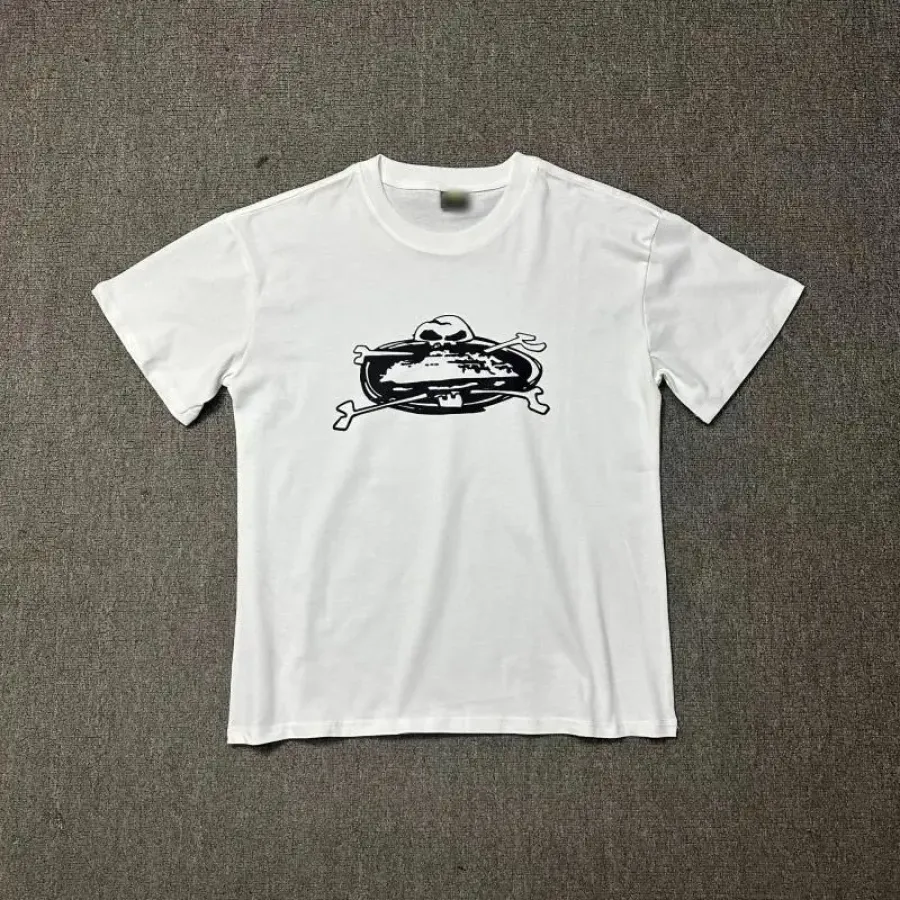
Black Cotton T Shirt with White Graphic Print
Best measurement evidence
Open question: Confirm size L chest width.
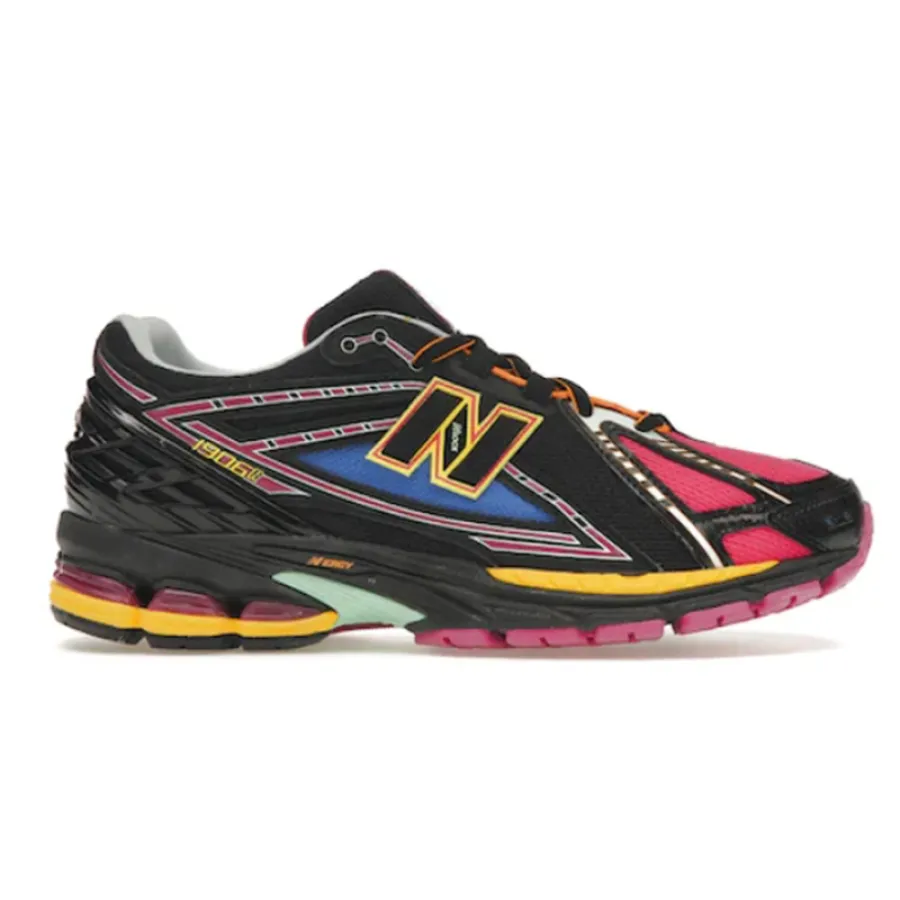
New Balance 1906v2 Running Shoe
Best QC reference
Open question: Need current source — old link redirects.
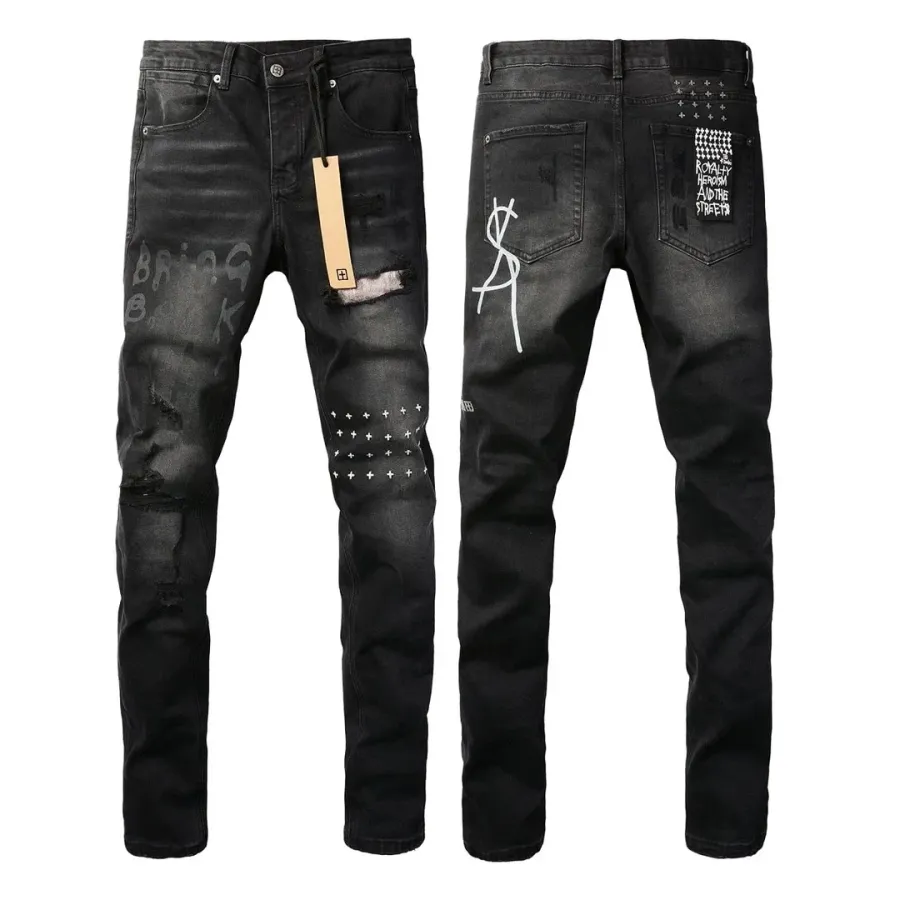
Black Ripped Jeans with Graphic Patches and Brand Tag
Best price for the intended variation
Open question: Need chest/thigh measurement.
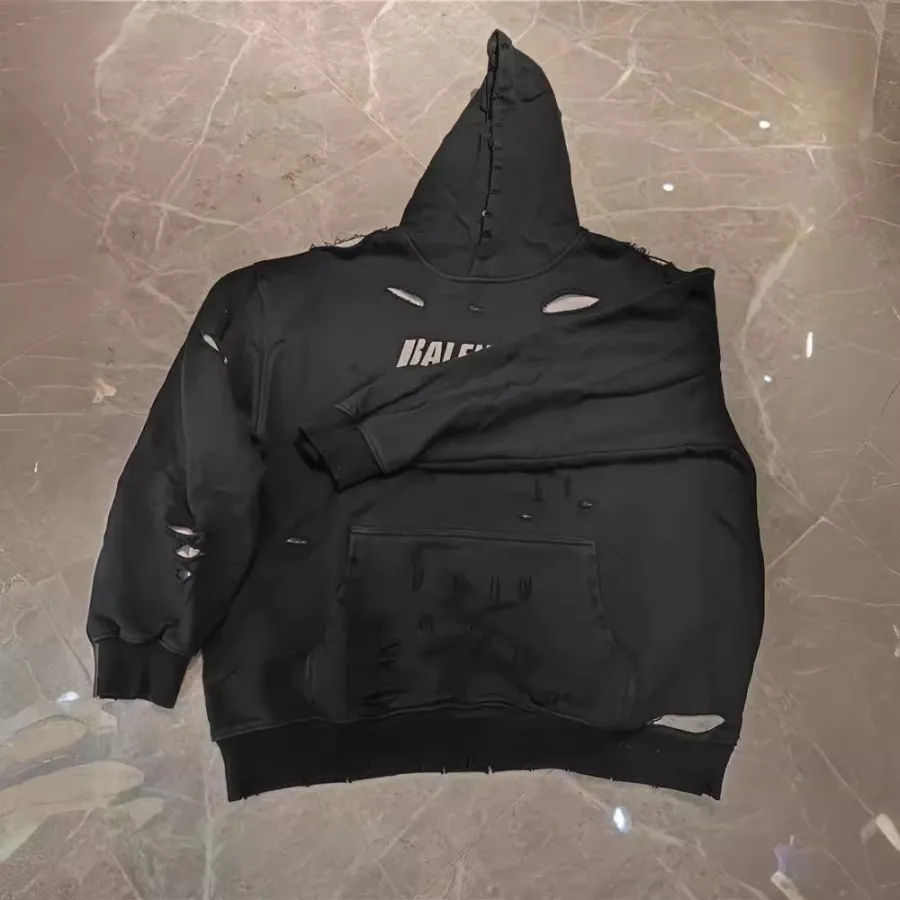
Balenciaga Black Distressed Hoodie
Useful alternative if another source disappears
Open question: No QC yet — request warehouse photo.
A product with an unanswered critical question should not silently move to "winner."
Do Not Score Everything Out of Ten
A single score hides tradeoffs. Instead, use decision flags.
GREEN — enough evidence for this criterion.
AMBER — usable but one uncertainty remains.
RED — unresolved issue that can change the purchase.
N/A — criterion does not matter for this item.
Example: a bag can be green on source clarity, green on dimensions, amber on hardware photos and irrelevant on garment sizing. That is more informative than "8.7/10."
Price Must Match the Variation You Want
Do not shortlist using the headline minimum price when the intended option costs more. Record:
- intended color/size/version;
- its current reference price;
- domestic shipping where visible;
- date checked.
If the source cannot establish the intended variation price, mark the price as unresolved rather than guessing.
Add Parcel Impact Earlier Than You Think
Two products with similar purchase prices can affect shipping very differently. Mark each candidate:
This does not require an exact shipping quote. It reminds you that product selection changes the later parcel.
One Open Question per Candidate
Force yourself to write the most important unresolved issue. Examples:
- Need chest measurement.
- Need to confirm size 44 is selectable.
- Need current source because old link redirects.
- Need close-up of hardware.
- Need to know whether quantity minimum applies.
Then resolve those questions instead of browsing more products. This is where research becomes efficient.
Compare Evidence, Not Just Photos
Two candidates can look almost identical in thumbnails.
Candidate A may have: clear current source; no measurements; no QC.
Candidate B may have: clear source; measurement chart; several QC references.
If fit is important, B has a research advantage even before you make any judgment about quality.
Identify which evidence matters for the decision →Build an Exit Condition
A shortlist should end. Choose when:
- the critical open questions are resolved;
- one candidate clearly fits your stated requirement better;
- remaining differences are personal preference rather than missing facts.
Do not keep searching only because another result might exist somewhere. Search has diminishing returns.
Save the Losing Candidate That Solves a Different Risk
The second choice can be valuable. Keep one alternative when it protects against a specific failure:
- current source disappears;
- intended size sells out;
- price changes materially;
- route restriction makes the first choice impractical.
A backup with a reason is useful. Five vague backups are clutter.
Shortlist Example
Decision: "Everyday black hoodie with reliable fit information and manageable parcel bulk."
- Candidate A: strongest measurements, medium price, no QC.
- Candidate B: QC available, unclear size chart.
- Candidate C: cheapest intended variation, bulky/heavy fabric.
- Candidate D: clearest source, measurements and customer photo, slightly higher price.
- Candidate E: backup source for the same silhouette.
The next action is not "find Candidate F." It is resolving B's sizing question and comparing D's price difference against its stronger evidence.
Shortlist Principle: Every Candidate Needs a Job
Every candidate on the shortlist must have a reason to be there and one clearly stated question that still needs an answer.
That turns W2C discovery into a decision process rather than an endless feed.