Reddit QC
Reddit QC: Build an Evidence Map, Not a Perfection Checklist
QC discussions can become unhelpful when every pixel is treated as a verdict.
Warehouse photos are evidence, but different types of evidence answer different questions. A top-down shoe photo can show shape. It cannot prove comfort. A tape measurement can show length. It cannot prove how a fabric feels.
The useful method is to build an evidence map: what is visible, what is measurable, what is only inferable and what cannot be known from the photos at all.
Four Evidence Zones
Examples:
- correct color;
- correct product identity;
- correct quantity;
- visible print placement;
- visible broken hardware;
- obvious stain or tear.
Examples:
- garment width;
- length;
- waistband;
- insole or outsole measurement;
- bag dimensions.
Examples:
- whether a color looks slightly too warm;
- whether a panel looks asymmetric;
- whether stitching appears uneven;
- whether a shoe shape looks different from a reference.
Examples:
- long-term durability;
- exact material composition;
- comfort after hours of wear;
- water resistance unless actually tested;
- how a garment drapes on your body;
- how electronics perform over time.
Reference QC: A Comparison Library, Not Your Order
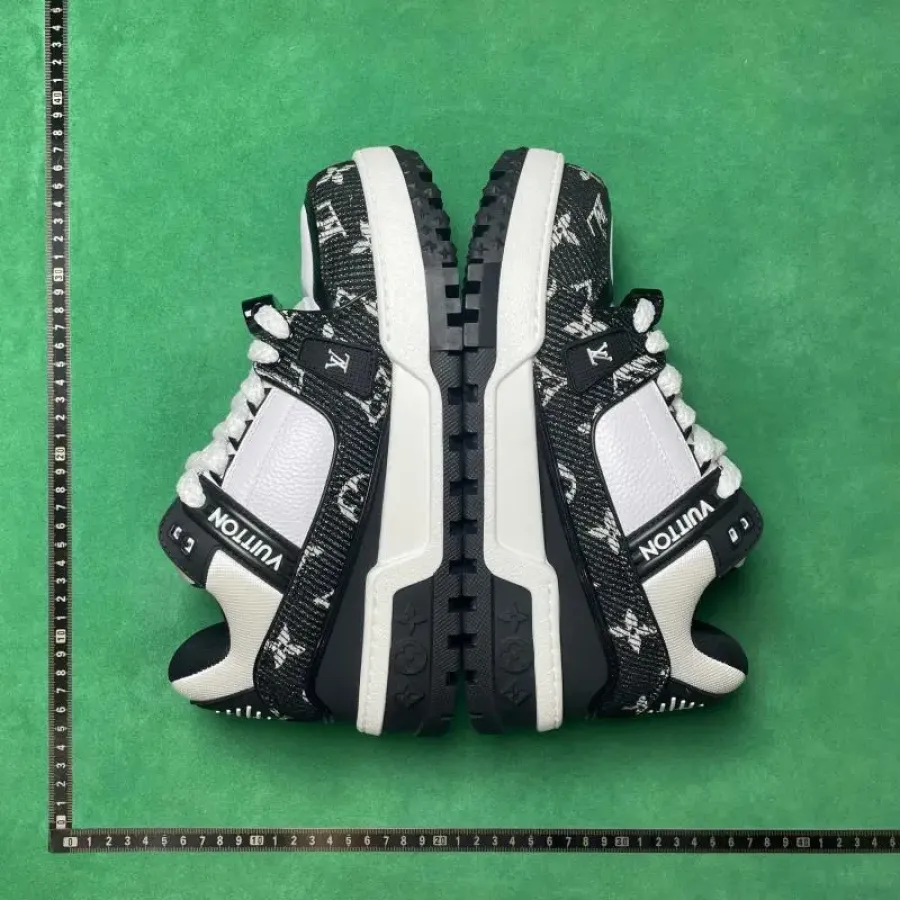
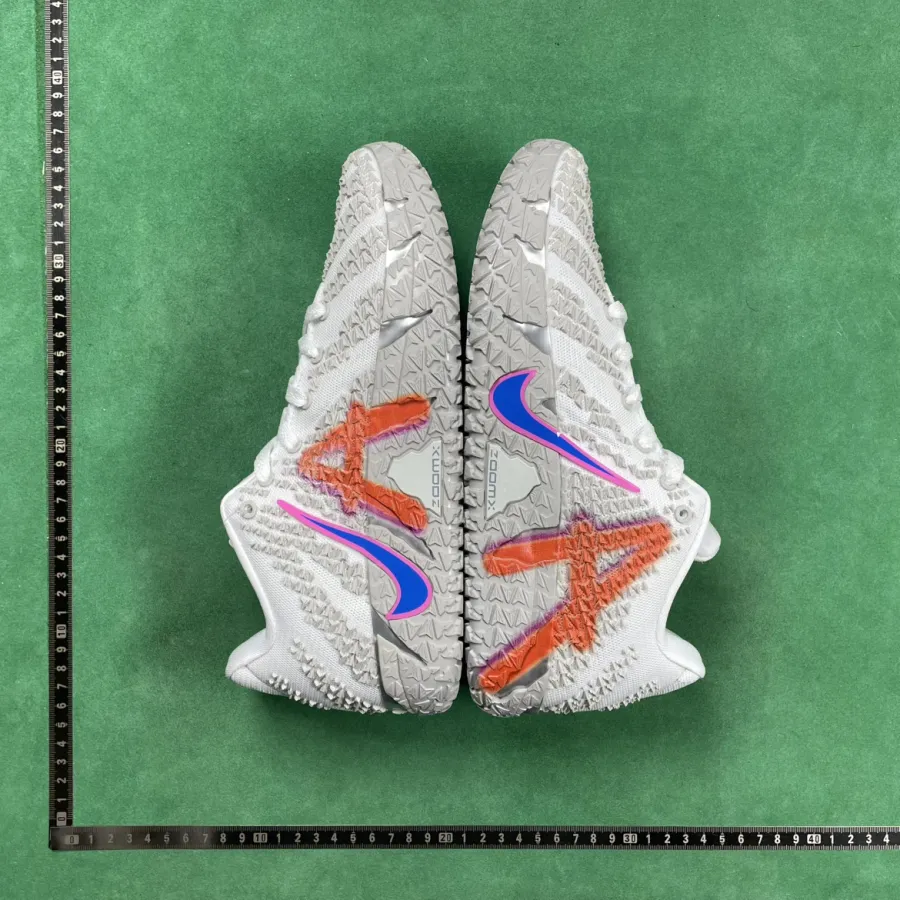
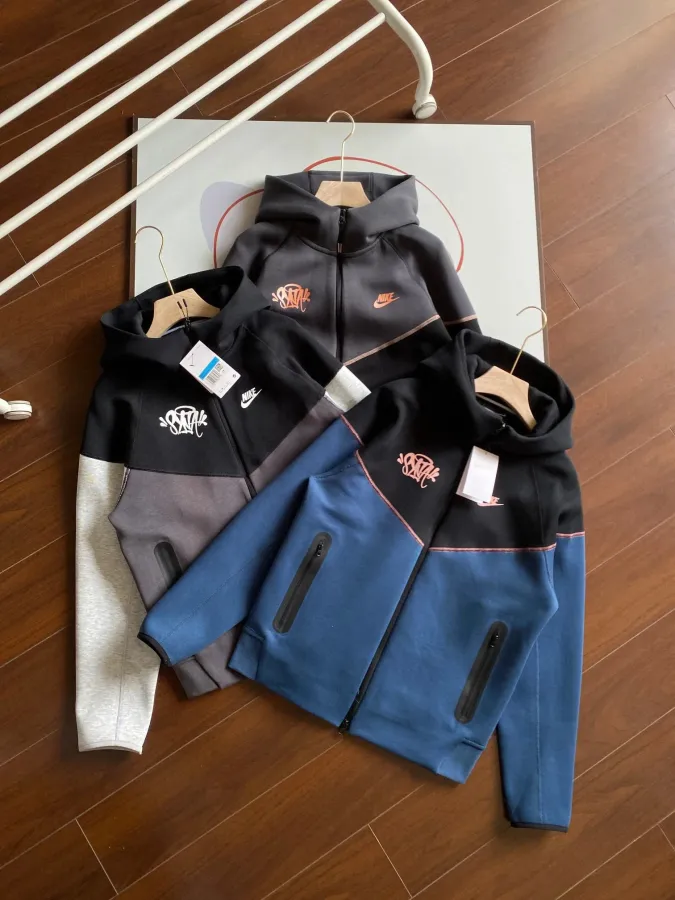
A reference QC image can help you learn what details to inspect. It does not prove that your individual order will arrive in the same condition or from the same production variation.
Use reference photos as a comparison library. Use your own warehouse photos as the decision record. That distinction should remain clear throughout RedditSpreadsheet.
Start With Identity Before Details
Before zooming into stitching, confirm the basic order:
Product — is this the intended item?
Variation — correct color, size, model or version?
Quantity — correct number of units or pieces?
Major components — are expected detachable parts or accessories present when the listing says they should be?
An item with beautiful stitching is still wrong if the warehouse received the wrong size.
The QC Evidence Map
For each concern, write it into one of four columns:
| Question | Evidence available | Confidence | Next action |
|---|---|---|---|
| Is the color correct? | Multiple warehouse photos | Medium/High | Compare under more than one angle |
| Will the hoodie fit? | Size label only | Low | Request measurements |
| Is the zipper broken? | Close-up photo | High if clearly visible | Ask agent/seller about resolution |
| Is the fabric durable? | Standard QC photos | Very low | Do not pretend QC can prove it |
This stops vague anxiety from turning into endless photo requests.
Shoes: Compare Symmetry Before Micro-Details
For footwear, begin with both shoes together. Look for:
- overall pair symmetry;
- toe shape;
- side profile;
- heel alignment;
- outsole condition;
- obvious glue or construction problems;
- size label;
- measurement where available.
Then look closer at the detail that actually matters to you. Do not judge the entire pair from a single close-up captured at an unusual angle.
For RedditSpreadsheet Shoes-QC cards, use real green-background QC imagery with ruler/measurement context when available — do not replace it with ordinary seller photography.
Clothing: Measurements Beat Size Letters
For clothing, the most useful QC question is often not "Does this look like a medium?"
It is:
"Do the measured dimensions match a garment that already fits me?"
Useful measurements can include:
- chest width;
- body length;
- shoulder width;
- sleeve length;
- waist;
- rise;
- inseam;
- hem width.
You do not need every measurement for every item. Request the dimensions that control the fit you care about.
Open the measurement workflow →Bags: Size Is Part of QC
A bag can look correct and still be wrong for the intended use. Check:
- overall dimensions;
- handle/strap configuration;
- major hardware;
- closure type;
- visible interior layout where photographed;
- structured shape;
- obvious scratches or deformation.
If the goal is to fit a device or travel item, compare dimensions before focusing on cosmetic details.
Extra Photos Should Answer a Written Question
Do not request "more photos." Request the missing evidence.
"Please take better pictures."
"Please photograph the back print straight-on with the garment laid flat."
"Please measure chest width from pit to pit."
"Please show the left zipper pull close up."
"Please photograph both heels at the same distance from the camera."
The question determines the photo.
Avoid the Two QC Extremes
Extreme 1 — "Looks fine" after one thumbnail. This misses obvious option, measurement or damage issues.
Extreme 2 — endless pixel hunting. This treats image noise, compression and minor perspective differences as proof of product failure.
A better threshold is consequence-based:
Would this observed issue change whether I want the item, its fit, its function or its acceptable appearance?
If yes, gather better evidence. If no, stop turning uncertainty into invented certainty.
QC Ends With an Action
Every unresolved concern should end in one of four actions:
Accept
Evidence is sufficient.
Request evidence
One specific photo or measurement can answer the question.
Ask for resolution
Visible problem appears meaningful.
Defer judgment
The question cannot reasonably be answered by warehouse photos.
That is more useful than a generic "GL/RL" vote without explanation.
Before the Item Enters a Parcel
Close these questions first:
- identity correct?
- important visible defects resolved?
- key fit measurements known where necessary?
- packaging decision made?
- return/exchange decision complete?
Once the parcel is submitted, changing the item becomes more difficult.
Continue with the warehouse decision board →QC Principle: Match the Question to the Evidence
QC is strongest when you match each question to the kind of evidence that can actually answer it.
Do not ask a product photo to prove what only a measurement, live source, functional test or real-world use can establish.